
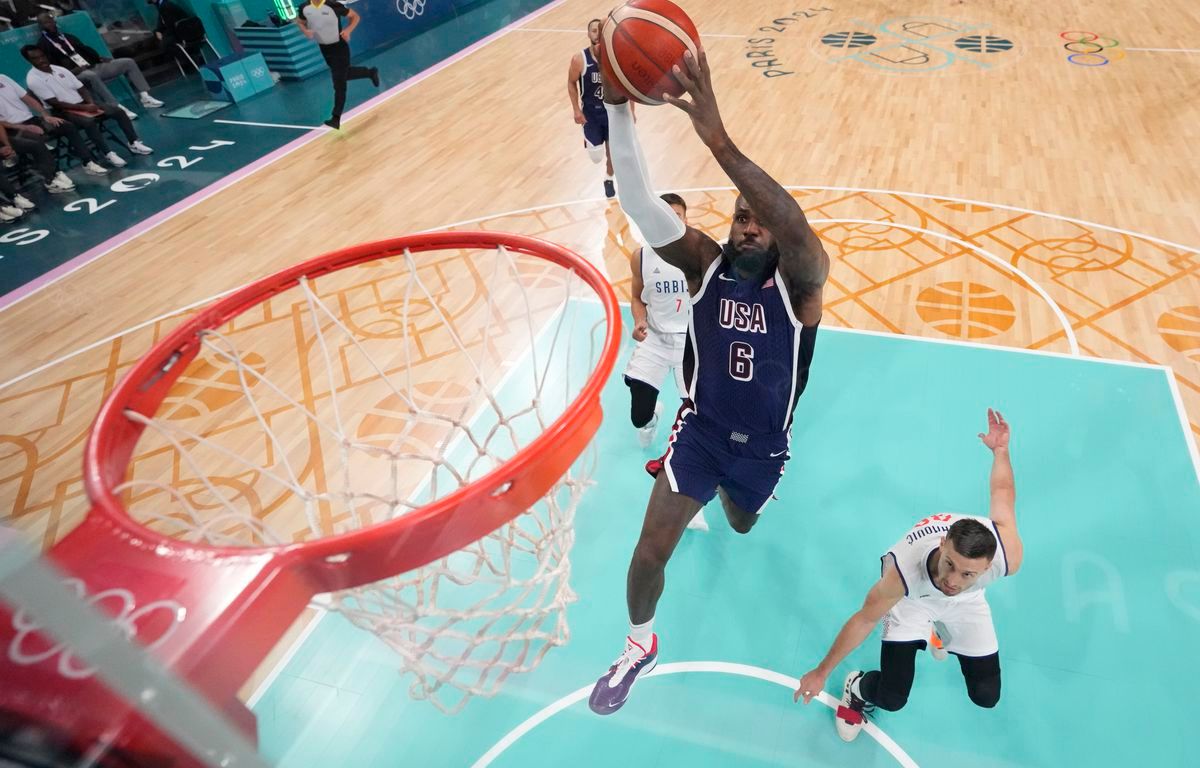
Introduction: A Dance of Skill and Spirit
Basketball is more than a game; it is a silent symphony of motion, rhythm, and purpose. Each movement on the hardwood tells a story of dedication, intellect, and raw athleticism. While it may appear as a simple contest of scoring baskets, true connoisseurs understand that basketball is a finely tuned orchestra — where every dribble, pass, and pivot contributes to a greater composition.
Born from a Canadian mind in a Massachusetts gymnasium in 1891, basketball has evolved into a global phenomenon. Its simplicity in concept — placing a ball through a hoop — belies the complexity, strategy, and beauty it embodies. To watch a well-played game is to witness harmony in chaos, discipline in disorder, and elegance in exertion.
Foundations of the Game: Mechanics Meet Magic
Understanding basketball requires an appreciation of its core elements. It is a game that rewards both individual brilliance and collective cohesion. At the heart of it lies a set of fundamental skills, each honed through repetition and elevated by instinct.
Key Pillars of Basketball Mastery:
-
Dribbling: Far more than bouncing a ball, dribbling is the art of control. It’s a player’s lifeline to freedom, allowing them to navigate defenders and initiate plays.
-
Shooting: Whether it’s a delicate floater or a deep three-pointer, shooting marries form and timing. A perfect shot arcs through the air like a practiced phrase in a poet’s verse.
-
Passing: The most selfless act in basketball, passing requires foresight and trust. Great teams often look like they’re sharing a secret — one revealed only when the ball finds its rightful scorer.
-
Defense: A discipline of anticipation and grit. True defensive mastery lies in silencing opponents, denying them space, and disrupting their rhythm.
-
Rebounding: Often overlooked but crucial, rebounding is about desire as much as positioning. Securing a missed shot can shift momentum in an instant.
Together, these skills form the foundation upon which moments of brilliance are built. It’s not simply about scoring points, but about mastering the little things that allow the game to flow.
The Aesthetic Appeal: Basketball as Art
Beyond the scoreboard lies the true beauty of basketball. A sport that blends creativity with athleticism, it creates a canvas where every play becomes a brushstroke. From graceful footwork to perfectly timed passes, basketball’s visual poetry captivates.
Why Basketball Feels Like Art:
-
Fluidity of Movement: Unlike many sports with rigid pauses, basketball flows with continuous energy. Players glide, twist, and spin with elegance, creating a ballet of bodies in motion.
-
Improvisation: No two games are alike. The best players adapt in real time, crafting new ways to attack, defend, and outwit their adversaries.
-
Rhythm and Timing: Great basketball is almost musical. The tempo of a possession, the crescendo of a fast break, the silence before a clutch free throw — all evoke deep emotional resonance.
When form meets function, the result is mesmerizing. It’s not uncommon to see a fast break finished with a no-look pass or a spin move followed by a reverse layup — and in those moments, basketball transcends sport and becomes performance.
Evolution Through Time: From Hardwood to Global Stage
Basketball’s journey from a modest gym game to a multi-billion-dollar international enterprise is a tale of innovation, culture, and perseverance. The sport has continuously adapted, embracing change while respecting tradition.
Notable Shifts in the Game’s Timeline:
-
Early Days: Physical and slow-paced, the original game bore little resemblance to today’s spectacle. Emphasis lay in structure and set plays.
-
1980s & 90s Renaissance: Players like Magic Johnson, Larry Bird, and Michael Jordan transformed basketball into global entertainment. The sport embraced flair, charisma, and narrative.
-
Modern Era: Strategy now leans on pace and space. Analytics have revolutionized how teams shoot, defend, and structure their lineups. Positions are fluid, and versatility is paramount.
Today, basketball is both a sport and a brand — broadcast in dozens of languages and played in every corner of the globe. It has become a touchstone for cultural identity, youth aspiration, and national pride.
The Global Pulse: One Game, Many Cultures
Few sports have the cultural reach of basketball. Its low barrier to entry — just a ball and a hoop — makes it accessible to the world’s poorest neighborhoods and richest suburbs alike.
Global Impact Highlights:
-
International Talent: From Europe’s fluid style to Africa’s rising stars and Asia’s technical finesse, basketball reflects global diversity. Players like Giannis Antetokounmpo, Luka Dončić, and Rui Hachimura embody this evolution.
-
Olympics and World Cups: National teams bring passion and patriotism to global events, often surpassing club loyalties.
-
Grassroots Development: Nonprofit organizations, leagues, and academies use basketball as a tool for education, empowerment, and social mobility.
Basketball’s global success isn’t merely about marketing — it’s about relatability. The game speaks a universal language of movement, competition, and aspiration.
Mind Over Muscle: The Psychology of the Game
The most striking performances often come not from the most athletic players, but the most intelligent. Basketball rewards the cerebral — those who can read the floor, anticipate actions, and manipulate momentum.
Mental Aspects That Define Champions:
-
Composure in Chaos: In high-stakes moments, great players find stillness. They embrace pressure and rise when others shrink.
-
Strategic Vision: Coaches and point guards act like chess masters, always thinking several moves ahead.
-
Team Chemistry: Success isn’t measured by talent alone. Shared purpose, communication, and mutual respect often prove decisive.
Basketball, like life, is not about avoiding failure, but responding to it. The best players miss shots, turn the ball over, fall behind — and still find ways to win.
Conclusion: The Eternal Bounce
Basketball’s charm lies in its duality: simple yet sophisticated, fast-paced yet cerebral, fiercely competitive yet communal. It is a mirror reflecting not only the strengths and flaws of individuals, but the values of society itself — resilience, collaboration, sacrifice, and joy.
On every court, from glossy arenas to cracked asphalt playgrounds, the same rhythm pulses — the sound of a ball hitting the floor, of sneakers squeaking in unison, of dreams being chased under open skies or blinding lights.
Basketball is not just a sport. It is a lifelong conversation between the body and the mind, between the individual and the team, between now and forever.
 Day Talk Sport