
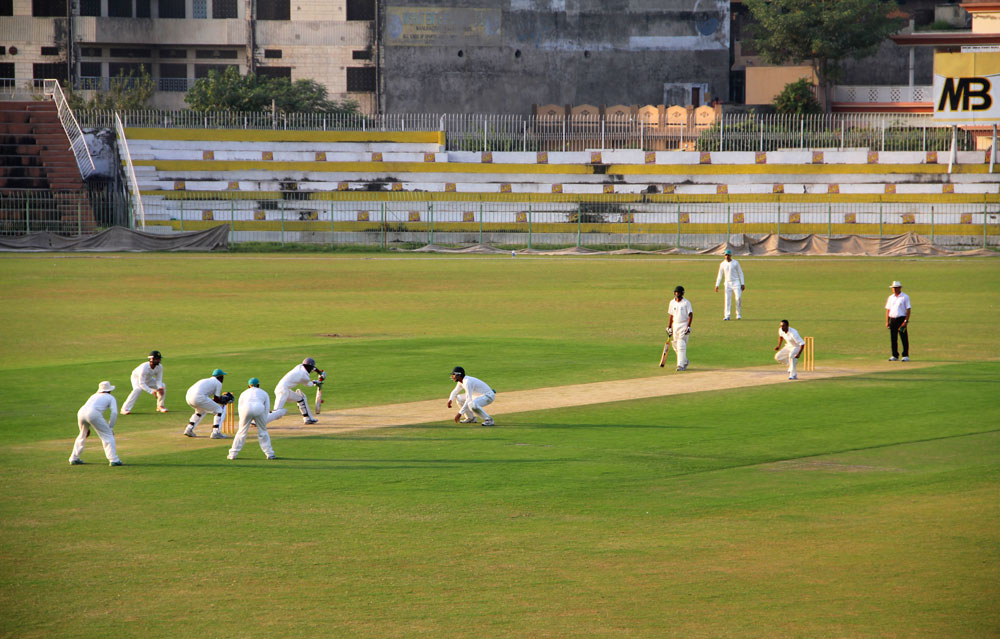
Cricket is not merely a sport—it is a grand theatre of strategy, skill, and sentiment. From sun-drenched village greens in England to floodlit stadiums in Mumbai and Melbourne, cricket has become a timeless obsession that spans continents. With its complex rules and rich traditions, it invites devotion and debate in equal measure. But beyond the willow and leather, beyond the applause and analysis, lies something deeper: cricket as a reflection of identity, of heritage, and of human nature itself.
The Origins of Cricket: A Noble Past
Cricket’s beginnings can be traced to rural England in the 16th century, where shepherds and farmhands are believed to have played a version of the game using rudimentary sticks and stones. By the 18th century, it had evolved into a pastime embraced by the aristocracy. The formation of the Marylebone Cricket Club (MCC) in 1787 marked the start of cricket as a codified, rule-bound sport. MCC’s “Laws of Cricket” gave the game its structure, many aspects of which still define modern matches.
Though English in origin, cricket’s true growth occurred far from its birthplace. Carried on the sails of British colonialism, the game took root in India, Australia, the Caribbean, and southern Africa. What began as an English export became a vehicle for cultural expression and, in many cases, national pride.
What Sets Cricket Apart
Cricket distinguishes itself through its emphasis on endurance, temperament, and nuance. It is often said that cricket mirrors life: unpredictable, requiring both patience and spontaneity.
Key Characteristics of the Game:
-
Multiformat Play: Cricket is unique in offering three distinct formats—Test matches, One Day Internationals (ODIs), and Twenty20 (T20). Each requires a different approach, yet all demand tactical intelligence and technical precision.
-
Complex Dynamics: The interaction between batsman and bowler is a chess match in motion. Every delivery is a question; every shot, an answer.
-
Spirit of the Game: Cricket remains steeped in a code of conduct—an unwritten ethic that celebrates fair play, respect for opponents, and gentlemanly behavior.
Global Spread and Cultural Adaptation
Cricket’s transformation into a global sport is one of resilience and reinvention. No longer the domain of the English elite, it now thrives in the bustling lanes of Kolkata, the sandy pitches of the Caribbean, the townships of South Africa, and beyond.
Cricket’s Global Tapestry:
-
India: Arguably the sport’s modern-day epicenter, India’s love for cricket borders on reverence. The success of the Indian Premier League (IPL) has transformed the global economics of the game.
-
Australia: Renowned for its fiercely competitive cricketing culture, Australia has produced legends who embody grit and tactical acumen.
-
Pakistan: With its raw talent and flair, Pakistan has delivered cricketing drama that ranges from poetic brilliance to heartbreaking near-misses.
-
England: While maintaining its role as the sport’s traditional home, England has evolved, embracing modern styles while honoring its cricketing heritage.
-
West Indies: Known for charisma and flair, Caribbean cricket brought a joyous rhythm to the game, revolutionizing fast bowling and limited-overs cricket.
The Formats: Diverse Flavors, Unified Spirit
Each format of cricket offers a different rhythm and appeal, making the game remarkably versatile.
Test Cricket: The Pinnacle of Patience
-
Played over five days with unlimited overs.
-
Requires sustained concentration and long-term strategy.
-
Celebrated for its classical elegance and narrative depth.
One Day Internationals: The Strategic Middle Ground
-
50 overs per side; games conclude in a single day.
-
Balances caution with aggression.
-
Popularized cricket globally through World Cup tournaments.
T20: The Modern Spectacle
-
Just 20 overs per side; high-paced, entertainment-rich cricket.
-
Ideal for newer audiences and urban settings.
-
Leagues like the IPL and Big Bash have made it commercially dominant.
Technological Influence and Commercial Evolution
Cricket has not remained untouched by the digital age. Modern technology has not only enhanced the viewing experience but has also redefined the way the game is played and consumed.
-
Hawk-Eye and UltraEdge: Crucial for accurate decision-making.
-
DRS (Decision Review System): Allows players to challenge umpire calls, introducing a layer of tactical review.
-
Franchise Leagues: With astronomical broadcasting deals and celebrity ownership, leagues like the IPL have turned cricket into a billion-dollar industry.
-
Streaming and Global Access: Cricket is now accessible to global audiences in real time, increasing its footprint in non-traditional markets like the USA and Canada.
Cricket as a Cultural Force
Beyond the boundary ropes, cricket serves as a powerful cultural agent. It is woven into music, cinema, politics, and everyday conversation in many parts of the world.
-
Symbol of Resistance and Identity: South Africa’s return to cricket post-apartheid or India’s 1983 World Cup win underlines cricket’s socio-political resonance.
-
Icons and Idols: Figures like Sachin Tendulkar, Sir Donald Bradman, and Muttiah Muralitharan are not just sportsmen—they are cultural icons.
-
Women’s Cricket: The growth of women’s cricket is breaking stereotypes and bringing a refreshing dimension to the game.
Challenges Ahead: Integrity and Inclusivity
Cricket faces several challenges in its journey forward:
-
Match-fixing and Corruption: Scandals have, at times, tainted the spirit of the game.
-
Over-commercialization: Balancing the purity of cricket with its commercial appeal remains a delicate act.
-
Global Equity: Expanding the game to associate nations and making it inclusive across genders and classes are critical for sustained relevance.
Conclusion: More Than a Game
Cricket is not defined merely by runs, wickets, or records. It is defined by moments—the hush before a final over, the roar after a boundary, the stunned silence after a collapse, the joy of a debut century. It is a game that teaches patience, rewards resilience, and reflects both the chaos and the charm of life itself.
As it continues to evolve, cricket holds a singular place in the hearts of millions. In every dusty backyard and gleaming stadium, every whispered prayer and thunderous cheer, the spirit of cricket lives on—timeless, poetic, and profoundly human.
 Day Talk Sport