
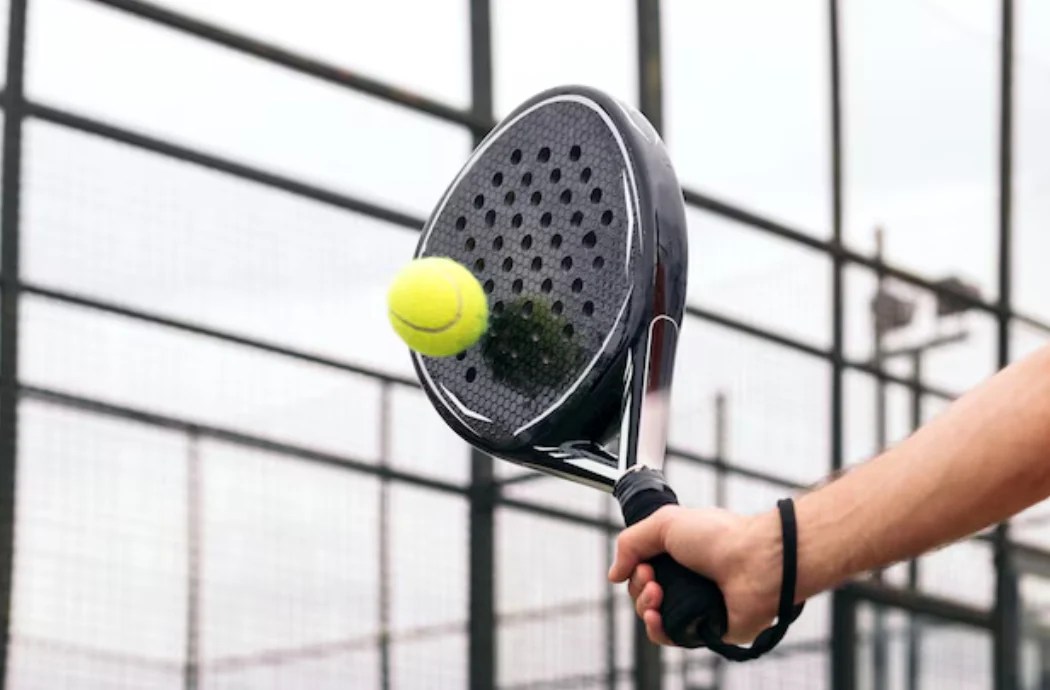
A padel racket is not one-size-fits-all equipment. Two rackets that look nearly identical on a shelf can behave completely differently on court once shape, weight, and balance are factored in, and a racket picked for the wrong playing style tends to work against a player rather than for them.
The three variables that matter most are shape, balance point, and core hardness. Shape determines how the sweet spot is distributed across the face. Balance point determines whether a racket favours manoeuvrability or hitting power. Core hardness determines how the ball responds off the face, from a softer, more controlled feel to a firmer, more explosive one.
Shape and What It Means for Your Game
Round-shaped rackets place the sweet spot lower and closer to the handle, producing a lighter feel in the hand and quicker reaction time on volleys and defensive shots. Teardrop shapes move the sweet spot slightly higher, adding power without sacrificing as much control as a full diamond shape, which concentrates weight at the top of the face for maximum smash power at the cost of manoeuvrability and forgiveness on mishits.
Players newer to padel, or those who play a defensive, positional game, generally get more consistent results from round or teardrop shapes. Diamond shapes tend to suit players who already have reliable technique and want to add power to a game that is already working.
Balance Point and Core Hardness
A head-light or medium-balance racket, paired with a medium or medium-soft core, is usually the more forgiving combination for players still building consistency, since it rewards timing over raw swing speed. Tactical’s padel racket range spans this spectrum, from head-light, control-oriented models to medium-balance rackets built for players who want more pace on their shots.
Weight matters alongside balance point, and the two are often confused. Two rackets can share an identical weight in grams and still feel completely different if one carries that weight toward the head and the other toward the handle. Judging a racket by weight alone, without accounting for where that weight sits, is one of the more common mistakes new buyers make.
Matching a Racket to How You Actually Play
A player who spends most points at the net, relying on volleys, bandejas, and quick reflex exchanges, benefits from a lighter-feeling, head-light racket that changes direction quickly. A player who wins points from the back of the court with flat, powerful groundstrokes and smashes benefits more from a head-heavy or medium-heavy racket that adds pace without extra swing effort.
Comparing a full range of rackets side by side, rather than buying on a single recommendation, makes it easier to weigh these trade-offs against a specific playing style instead of a generic one.
For Singapore players deciding between models, PadelRally’s racket collection lists the shape, balance, and weight specifications for each racket, which is the information that actually determines whether a racket suits an individual game, rather than how it looks or what it costs.
 Day Talk Sport