
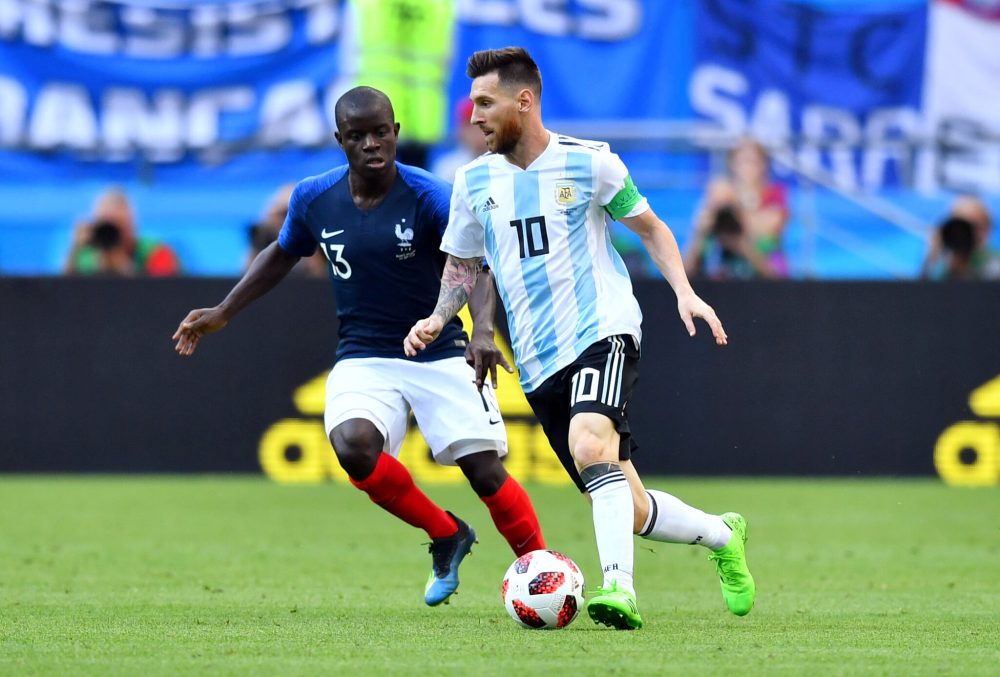
Introduction: A Game that Transcends Borders
Soccer, the world’s most beloved sport, carries with it a rare power—the ability to transcend language, nationality, religion, and class. In dusty village squares, pristine stadiums, and bustling urban alleyways, the game unfolds with the same essence: a ball, two goals, and hearts driven by passion. While to some it may seem like just a sport, to billions it is a lifeline, a form of identity, and a celebration of shared humanity. The rhythm of soccer beats in the soul of nations, drawing people together in ways that politics, art, and commerce seldom can.
A Sport Born of Simplicity
One of soccer’s most alluring features is its astonishing simplicity. It demands little in terms of infrastructure and equipment, making it accessible to the rich and poor alike.
-
Minimal Equipment Needed: A ball—often improvised—and open space are all it takes.
-
Universally Intuitive: No complex rules are needed for a child to understand the thrill of chasing and scoring.
-
Freedom of Play: No other sport allows for as much spontaneous creativity. Soccer is played in the streets, on beaches, on mountain slopes—anywhere a ball can roll.
The egalitarian nature of soccer means that talent can emerge from any corner of the world. It gives rise to legends who begin their journeys with bare feet and big dreams.
The Cultural Fabric of Soccer
Soccer is far more than a pastime. In many societies, it is a cultural ritual, deeply embedded in the identity of people and places.
-
National Identity: Countries like Argentina, Brazil, Italy, and Senegal wear their footballing prowess as a badge of pride.
-
Regional Rivalries: Matches between rival clubs such as Real Madrid and FC Barcelona or Boca Juniors and River Plate are steeped in politics, history, and social meaning.
-
Local Unity: Soccer binds communities. Clubs often serve as emotional anchors for cities, offering a sense of continuity across generations.
In essence, soccer reflects the struggles, aspirations, and character of those who embrace it. The game does not simply entertain—it represents.
The Emotion That Moves the Masses
No sport delivers the emotional spectrum of soccer. With goals often scarce, the impact of every play is magnified, each moment laden with tension, triumph, or heartbreak.
-
The Joy of the Unexpected: A last-minute goal, a heroic save, or an underdog’s victory can spark euphoria and tears in equal measure.
-
A Shared Journey: Fans live through every match as if on a personal quest. Wins are collective highs; losses are communal grief.
-
The Poetry of Play: There’s beauty in the game’s fluid movement—the rhythm of passes, the artistry of dribbling, and the choreography of a team working in harmony.
Soccer is as much about the stories it tells as it is about the results it produces. Its narrative arcs echo the drama of life itself.
Tactical Evolution and Technical Mastery
Though simple in form, soccer is rich in complexity. The evolution of tactics and styles has elevated it to an art form studied by analysts and strategists around the world.
-
Tactical Revolutions: From “catenaccio” to “tiki-taka” and high-pressing systems, soccer has continuously reinvented itself.
-
Player Intelligence: Modern footballers are required to be not only physically elite but tactically astute.
-
Coaching Ingenuity: Managers like Pep Guardiola, Carlo Ancelotti, and Jürgen Klopp have reshaped how we perceive the game through vision, discipline, and innovation.
This strategic sophistication makes soccer endlessly watchable and intellectually engaging, offering new nuances with every match.
The Global Stage: Tournaments that Define Eras
Soccer’s major tournaments, particularly the FIFA World Cup and UEFA Champions League, are among the most-watched events on the planet. They not only showcase elite talent but also offer moments of unity and celebration rarely seen elsewhere.
-
World Cup Magic: Every four years, nations pause to support their teams, turning the event into a festival of sport, culture, and pride.
-
Continental Showpieces: Competitions like the Copa América, Euro Cup, and AFCON offer rich drama and regional pride.
-
Club Showdowns: The Champions League night under the lights has become synonymous with magic, upsets, and greatness.
In these moments, soccer transcends sport. It becomes memory. It becomes legacy.
The Business of Dreams
Soccer is also a colossal economic force, fueling industries from apparel to tourism and creating a marketplace where dreams are monetized and heroes are brand ambassadors.
-
Sponsorships and Endorsements: Top players are global icons for sportswear, beverages, and tech giants.
-
Club Valuations: Teams like Manchester United, Real Madrid, and Bayern Munich are billion-dollar franchises with worldwide fanbases.
-
Player Transfers: The market for elite talent continues to grow, with players transferring for record-breaking fees.
This commercial growth has both expanded the game’s reach and sparked debates about its soul. Yet, amidst the glitz, the magic of the game remains untouched at its core.
Legends of the Game: Icons Who Inspire Generations
Soccer has produced figures who transcend borders and generations—players whose impact echoes beyond the stadium.
-
Pelé and Maradona: The pioneers who turned the sport into a global spectacle through their charisma and genius.
-
Zidane, Ronaldo Nazário, and Ronaldinho: Icons of a golden era that blended style with substance.
-
Messi and Cristiano Ronaldo: Two titans whose unparalleled consistency and brilliance have defined modern football.
These individuals did not just win trophies; they won hearts. They showed what is possible when talent, ambition, and opportunity collide.
Soccer’s Role in Social Change
Few sports can rival soccer’s influence in promoting social progress and inclusivity. It often serves as a platform for advocacy, healing, and empowerment.
-
Breaking Barriers: Soccer has been a space where race, class, and gender lines have been challenged and redrawn.
-
Women’s Game Rising: With increasing visibility and investment, women’s soccer is rapidly gaining recognition and reshaping the sport’s future.
-
Athletes as Activists: Modern players are using their voices to address inequality, education, and humanitarian causes.
Soccer has the power to not just reflect the world—but to change it.
Conclusion: A Dance Without End
At its heart, soccer is a celebration of life’s greatest themes—hope, perseverance, love, defeat, and glory. It brings together strangers and forges lifelong friendships. It gives children dreams and adults nostalgia. It’s as vibrant in a rural village as it is in a billion-dollar stadium.
Soccer does not belong to one continent, one language, or one class. It belongs to all of us. And as long as there’s a ball to kick and a dream to chase, this beautiful game will continue to inspire, unite, and enchant the world.
 Day Talk Sport